For the last five years, I have been an assistant tour guide on "The Best of English Gardens" tour for my friend Michael Induni's company, Discover Europe. "The Best of English Gardens" is a wonderful tour, but it isn't exclusively a tour of gardens. The itinerary also includes Stonehenge, the city of Bath and two nights in Salisbury to see the local sites including the Magna Carta. I have been working with Michael to create a tour for the more discriminating gardener. I researched gardens from London to the Cotswolds. I wanted to visit classic and historic gardens, but I also tried to include contemporary gardens that illustrate the latest in horticulture and design. I thought spending a longer time in less locations would be a more relaxing way to see gardens, so we removed two nights in Salisbury and added time in the Cotswolds.
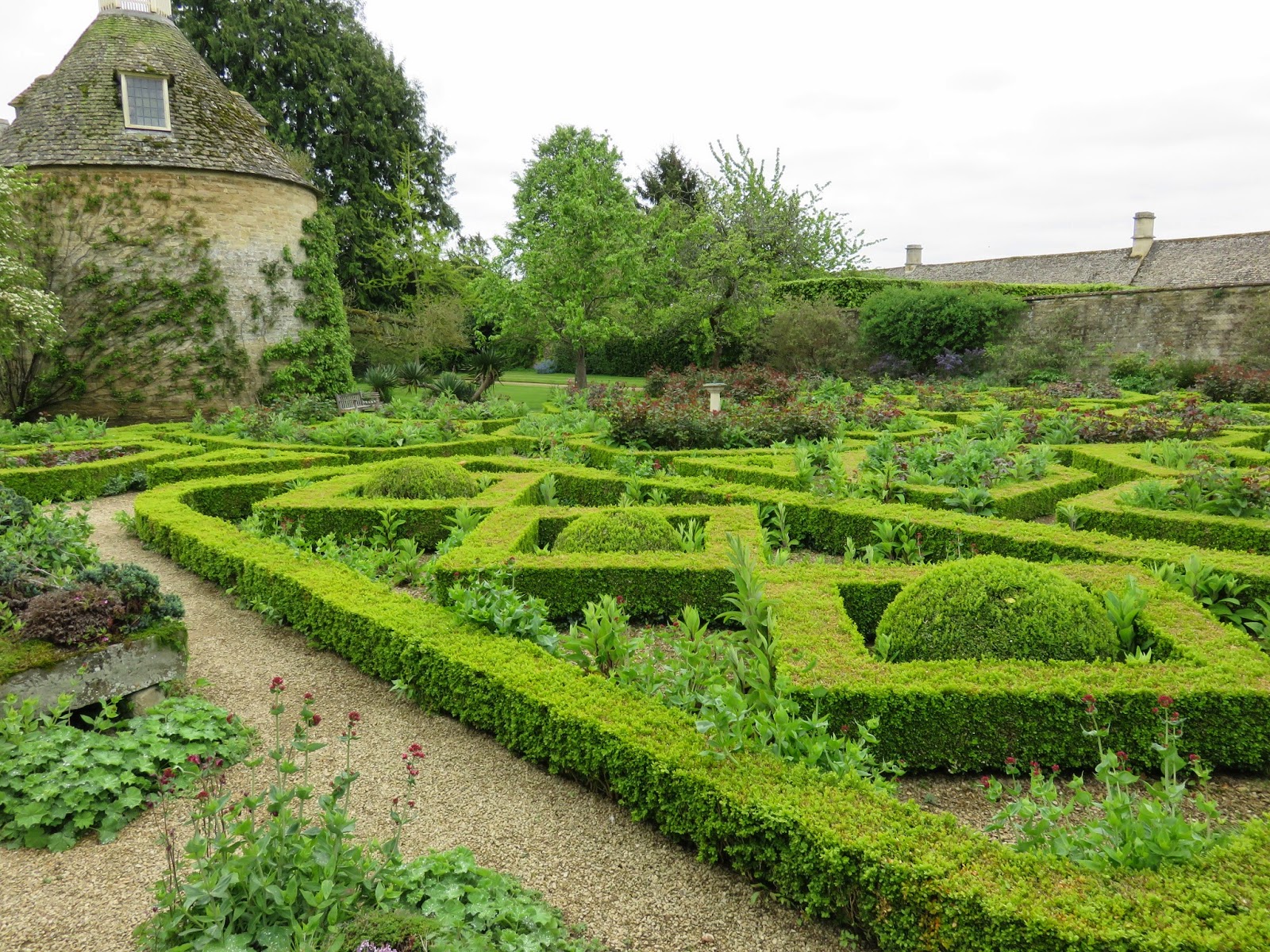
I came across a December, 2012 article that Penelope Hobhouse wrote for Gardens Illustrated called "25 of the best English gardens to visit throughout England" and cross-referenced that with Tim Richardson's 2013 book The New English Garden and created a new tour called "The Passionate Gardener" Tour. One garden I had been dying to see was Gina Price's private garden, Pettifers. So I scouted Pettifers and Rousham House last year and loved them both. Pettifers has deservedly gotten a lot of press (the cover of The New English Garden) in the last several years. It is a plants-person's garden with a clean modern design. The grouping of four "flask-shaped yew topiaries" have become nearly as iconic as the former yew waves in Piet Oudolf's garden, Hummelo. Her gardener, Polly, is both delightful and knowledgeable. In landscape garden department, I looked to the Hobhouse article and substituted Rousham House, a privately owned, intimate garden designed by William Kent for Stourhead, a National Trust Garden with hundreds of visitors. As difficult as it was to exclude Stourhead, the intimacy of Rousham House, with about a dozen visitors when I was there, was hard to beat.
I will lead the tour May 22-31, 2016 which will also include the annual Gardens Illustrated Talk at the Royal Geographic Society in London. In the next several months, I will profile the gardens in more detail but below is a list of the gardens in chronological order of the tour:
I came across a December, 2012 article that Penelope Hobhouse wrote for Gardens Illustrated called "25 of the best English gardens to visit throughout England" and cross-referenced that with Tim Richardson's 2013 book The New English Garden and created a new tour called "The Passionate Gardener" Tour. One garden I had been dying to see was Gina Price's private garden, Pettifers. So I scouted Pettifers and Rousham House last year and loved them both. Pettifers has deservedly gotten a lot of press (the cover of The New English Garden) in the last several years. It is a plants-person's garden with a clean modern design. The grouping of four "flask-shaped yew topiaries" have become nearly as iconic as the former yew waves in Piet Oudolf's garden, Hummelo. Her gardener, Polly, is both delightful and knowledgeable. In landscape garden department, I looked to the Hobhouse article and substituted Rousham House, a privately owned, intimate garden designed by William Kent for Stourhead, a National Trust Garden with hundreds of visitors. As difficult as it was to exclude Stourhead, the intimacy of Rousham House, with about a dozen visitors when I was there, was hard to beat.
I will lead the tour May 22-31, 2016 which will also include the annual Gardens Illustrated Talk at the Royal Geographic Society in London. In the next several months, I will profile the gardens in more detail but below is a list of the gardens in chronological order of the tour:
The New English Garden by Tim Richardson NEG: Pettifers, Great Dixter, High Grove
"25 of the best English gardens to visit throughout England" by garden designer and historian Penelope Hobhouse. GI/PH: Sissinghurst, Great Dixter, Hidcote Manor, Iford Manor, Rousham House
"Best of English Gardens" Tour BEG : Great Dixter, Sissinghurst, Hidcote Manor,
Iford Manor, Barnsley House, Kiftsgate Garden, Chelsea Flower Show, Vann

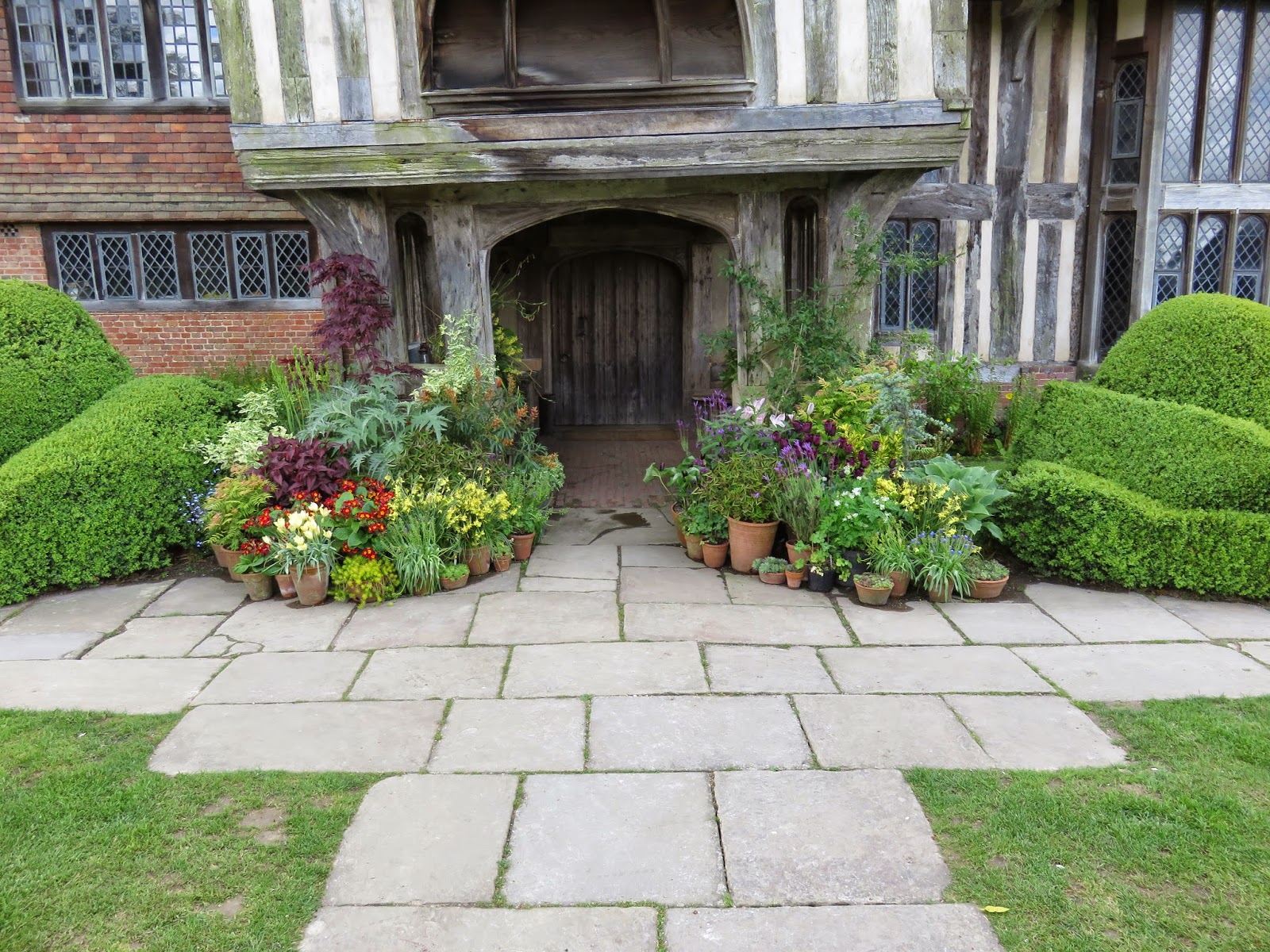
Great Dixter NEG, GI/PH, BEG

Sissinghurst: GI/PH, BEG

Chelsea Flower Show: BEG

RHS Wisley: BEG

Iford Manor: GI/PH, BEG

Rousham House: GI/PH

Pettifers Garden: NEG

Kiftsgate: BEG

Barnsley House: BEG

Vann: BEG